

Published: May 20, 2026
For decades, we were taught to view our digestive system as a simple processing plant—a tube that takes in food, extracts energy, and discards the waste. However, modern medical science has uncovered a groundbreaking reality that is completely reshaping how we look at human health.
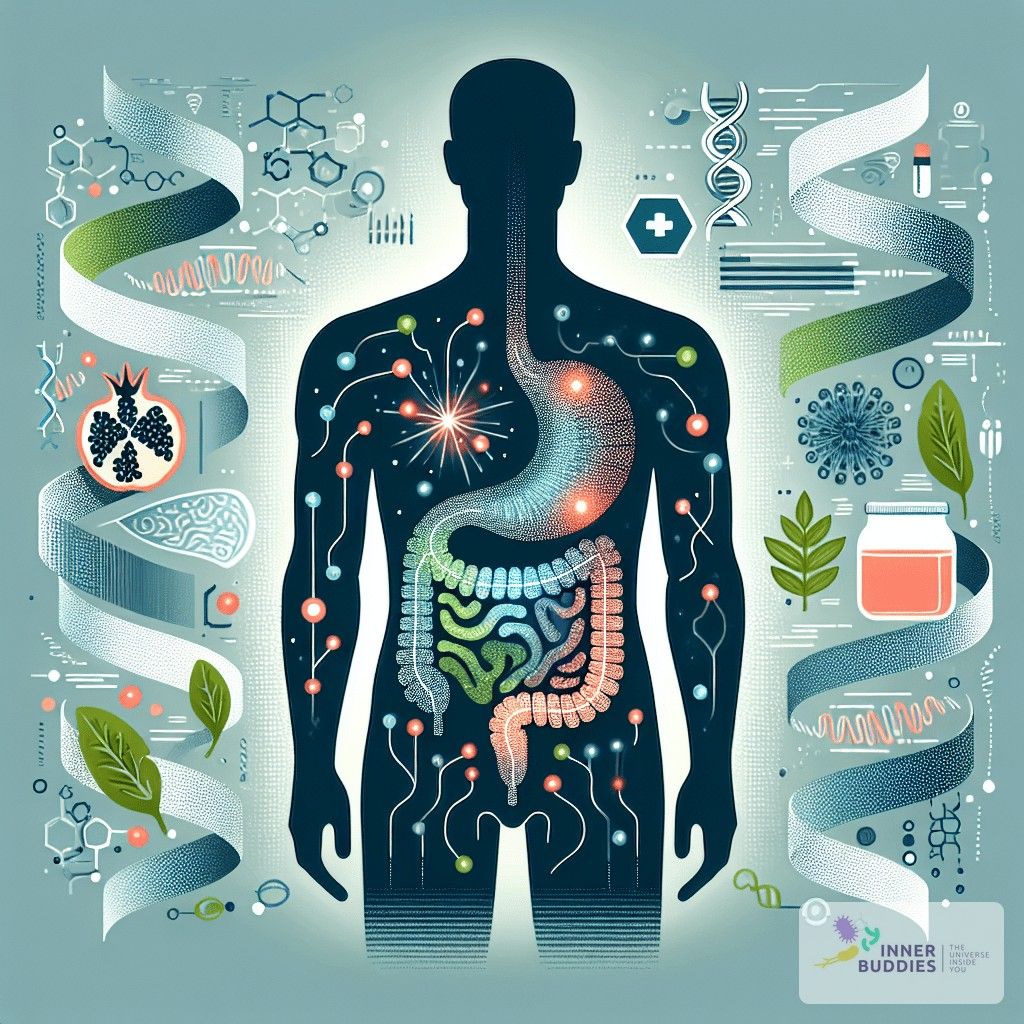
Deep inside your large intestine lives a complex ecosystem composed of trillions of microscopic organisms, including bacteria, viruses, fungi, and archaea. Collectively known as the Gut Microbiome, this invisible world weighs roughly $1.5$ to $2\text{ kg}$—about the same weight as the human brain.
Scientists now refer to the gut as our “Second Brain.” This is because your gut does not just digest food; it constantly communicates with your head via a complex network called the Gut-Brain Axis.
If you are struggling with stubborn weight gain, brain fog, chronic anxiety, skin breakouts, or constant fatigue, the root cause might not be in your head or your fitness routine. It might be living right inside your gut.
In this ultimate guide, WellHealtrix breaks down the profound science of the gut microbiome, explores how it dictates your health, and provides a step-by-step master plan to optimize your internal ecosystem for holistic wellness.
Chapter 1: The Anatomy of the Gut Microbiome
To understand how to heal your gut, you must first understand who is living inside it. Your gut is home to over 1,000 different species of bacteria. These bacteria are generally categorized into two camps:
- The Symbionts (Friendly Bacteria): These are your internal superheroes. They break down complex fibers, synthesize essential vitamins, protect your gut lining, and keep harmful pathogens at bay.
- The Pathobionts (Harmful Bacteria/Opportunists): In small numbers, they cause no harm. However, if they overgrow, they release metabolic toxins, trigger systemic inflammation, and disrupt your entire health.
                      ┌──────────────────────────────┐
                      │    GUT MICROBIOME BALANCE    │
                      └──────────────┬───────────────┘
                                     │
             ┌───────────────────────┴───────────────────────┐
             ▼                                               ▼
     HEALTHY MICROBIOME                             DYSBIOSIS (UNHEALTHY)
  (Symbionts > Pathobionts)                       (Pathobionts > Symbionts)
  • Strong Immunity                               • Chronic Inflammation
  • Sharp Focus & Good Mood                       • Anxiety & Brain Fog
  • Effortless Weight Control                     • Stubborn Weight Gain
In a healthy individual, these bacteria live in a state of beautiful balance. When this balance is disrupted—a condition known as Dysbiosis—the harmful bacteria take over, leading to a cascade of physical and mental health complications.
Chapter 2: The Gut-Brain Axis – The Communication Highway
Have you ever felt “butterflies” in your stomach when you were nervous? Or felt a “gut wrenching” sensation during a stressful moment? These are not just metaphors; they are literal physiological reactions happening along the Gut-Brain Axis.
This communication happens through three main channels:
2.1 The Vagus Nerve: The Direct Cable
The Vagus Nerve is the longest and most complex cranial nerve in your body. It acts as a bidirectional superhighway running directly from your brainstem down to your digestive organs. Interestingly, about $80-90\%$ of the nerve fibers in the vagus nerve send signals upward from the gut to the brain, rather than downward. This means your gut is sending far more messages to your brain than your brain is sending to your gut.
2.2 Serotonin: The Happiness Chemical
Many people believe that serotonin, the primary neurotransmitter responsible for regulating mood, happiness, and anxiety, is manufactured purely in the brain.
🧠 Scientific Fact: Approximately $90-95\%$ of your body’s serotonin is produced by specialized cells in your gut lining, heavily influenced by your gut bacteria.
When your gut microbiome is inflamed or unbalanced, your serotonin production drops significantly, which can trigger clinical depression, mood swings, and generalized anxiety disorders.
2.3 Short-Chain Fatty Acids (SCFAs)
When friendly gut bacteria digest dietary fiber, they produce magical metabolic byproducts called Short-Chain Fatty Acids, primarily Acetate, Propionate, and Butyrate.
- Butyrate acts as the primary fuel source for the cells lining your colon.
- SCFAs cross the Blood-Brain Barrier (BBB) to protect the brain from neuroinflammation, boost memory, and improve cognitive clarity.
Chapter 3: How Gut Bacteria Dictate Your Weight
If two people eat the exact same number of calories, why does one person gain weight effortlessly while the other stays naturally lean? The answer is heavily hidden within their microbiome composition.
3.1 The Firmicutes vs. Bacteroidetes Ratio
The majority of gut bacteria belong to two major families: Firmicutes and Bacteroidetes. Numerous clinical trials have discovered a fascinating pattern:
$$\text{Obese Individuals} \rightarrow \text{Higher Ratio of Firmicutes to Bacteroidetes}$$
Firmicutes are incredibly efficient at harvesting energy from food. If you have an overgrowth of Firmicutes, your gut will extract more calories from a slice of bread compared to a lean individual with a higher population of Bacteroidetes. Essentially, an unbalanced gut maximizes fat storage from everything you eat.
3.2 Cravings and Bacterial Manipulation
Did you know that your gut bacteria can control your mind to make you crave specific foods?
- Sugar-loving bacteria thrive on processed carbohydrates. When they run low on fuel, they release chemical signals traveling up the vagus nerve to your brain, triggering intense, uncontrollable cravings for chocolate, candy, or soda.
- By shifting your diet toward whole foods, you literally starve out the sugar-craving bacteria and cultivate species that thrive on fiber, eliminating cravings naturally.
Chapter 4: The Signs of an Unhealthy Gut (Dysbiosis)
How do you know if your gut is compromised? Look out for these chronic warning signs:
- Persistent Digestive Issues: Chronic bloating, gas, acid reflux, constipation, or diarrhea are obvious red flags that your digestive enzymes and microbial populations are off balance.
- Unexplained Skin Conditions: The Gut-Skin Axis is highly powerful. Conditions like eczema, acne, psoriasis, and rosacea are frequently systemic manifestations of a leaky, inflamed gut.
- Chronic Fatigue and Brain Fog: If you wake up feeling exhausted despite sleeping 8 hours, or find it impossible to focus at work, a damaged gut lining could be allowing toxins to leak into your bloodstream, causing brain inflammation.
- Autoimmune Flare-ups: Nearly $70\%$ of your body’s immune system resides directly inside your gut walls. A dysfunctional microbiome confuses your immune system, causing it to attack your body’s own healthy tissues.
Chapter 5: The Ultimate Master Plan to Heal Your Gut
Healing your gut requires a strategic approach. At WellHealtrix, we use the scientifically validated 4-R Framework to restore complete gut harmony.
 ┌───────────────────────────────────────────────────────────┐
 │               THE 4-R GUT HEALING FRAMEWORK               │
 └─────────────────────────────┬─────────────────────────────┘
                               │
       ┌───────────────┬───────┴───────┬───────────────┐
       ▼               ▼               ▼               ▼
    REMOVE          REPLACE        REINOCULATE      REPAIR
 Sugar, Toxins,     Digestive    Probiotics &     Bone Broth,
 Processed Food     Enzymes, HCL     Prebiotics     L-Glutamine
Step 1: REMOVE (The Destroyers)
Before adding good things, you must stop the damage. Eliminate or minimize:
- Ultra-Processed Sugars & Artificial Sweeteners: They act as direct toxic fuel for pathobionts.
- Overuse of NSAIDs & Antibiotics: While antibiotics are lifesaving when necessary, using them carelessly for minor viral infections acts like a nuclear bomb inside your gut, wiping out all good and bad bacteria indiscriminately.
- Chronic Alcohol Consumption: Breaks down the delicate mucosal barrier of your digestive tract.
Step 2: REPLACE (The Facilitators)
Give your body the raw tools it needs to break down food efficiently.
- Eat bitter foods (like arugula, apple cider vinegar, or ginger) before meals to naturally stimulate stomach acid (HCL) and bile production.
- If you suffer from severe bloating right after eating, temporary supplementation with high-quality digestive enzymes can assist your body in breaking down macronutrients.
Step 3: REINOCULATE (The Rebuilders)
This is where we actively repopulate your internal ecosystem using a combination of Probiotics and Prebiotics.
A. Probiotics (The Live Microbes)
These introduce active, living friendly strains back into your digestive tract.
- Fermented Food Sources: Yogurt (Dahi), Kefir, Sauerkraut, Kimchi, and Kombucha.
- Supplementation: Look for a high-quality probiotic containing at least 15 to 50 Billion CFUs (Colony Forming Units) with diverse strains like Lactobacillus and Bifidobacterium.
B. Prebiotics (The Fuel)
Probiotics cannot survive without food. Prebiotics are non-digestible plant fibers that serve as the exclusive meal for your friendly bacteria.
- Top Prebiotic Foods: Garlic, onions, leeks, asparagus, bananas, oats, and flaxseeds.
Step 4: REPAIR (The Structural Fix)
Provide specific amino acids and nutrients to rebuild a damaged, leaky gut wall.
- L-Glutamine: An amino acid that acts as a structural mortar, sealing the microscopic holes in a leaky gut lining.
- Collagen / Bone Broth: Rich in gelatin and amino acids (proline and glycine) that soothe and rebuild the intestinal mucosal layer.
- Polyphenols: Antioxidant-rich compounds found in green tea, dark chocolate ($85\%+$), and blueberries that actively reduce gut-based inflammation.
Chapter 6: The Diversity Principle – The Ultimate Gut Metric
If there is one single metric that defines a resilient gut, it is microbial diversity. A healthy gut is like a thriving tropical rainforest filled with thousands of different species of plants and animals; a sick gut is like a barren desert.
The 30 Plant-Food Challenge
Leading microbiologists from the American Gut Project discovered that individuals who consumed 30 or more distinct plant foods per week had significantly more diverse and resilient gut microbiomes compared to those who ate fewer than 10.
Reaching 30 might sound intimidating, but it includes all plant categories:
- Vegetables: Spinach, carrots, broccoli, cucumbers, bell peppers.
- Fruits: Apples, berries, oranges, mangoes, pomegranates.
- Grains: Oats, quinoa, brown rice, whole wheat.
- Legumes & Beans: Lentils (Daal), chickpeas, kidney beans.
- Nuts & Seeds: Almonds, walnuts, chia seeds, pumpkin seeds.
- Herbs & Spices: Turmeric, cumin, black pepper, cilantro, ginger.
By mixing up your spices, eating colorful salads, and switching out your grains weekly, you can easily hit this metric and give your gut bacteria a diverse feast.
Chapter 7: Daily Lifestyle Guide for a Harmonious Gut
To help you seamlessly integrate gut care into your lifestyle, here is a practical protocol you can start using today:
| Phase of Day | Action Protocol | Scientific Benefit |
| Morning Routine | Drink warm water infused with freshly crushed ginger or 1 tsp of Raw Apple Cider Vinegar (ACV). | Activates migrating motor complexes (MMC) to clear out residual waste from the overnight fast. |
| Breakfast | A bowl of whole oats topped with a spoonful of plain Greek yogurt, chia seeds, and berries. | Combines prebiotics (oats, seeds) and probiotics (yogurt) for a powerful synbiotic morning meal. |
| Lunch & Dinner | Fill half your plate with colorful vegetables. Ensure a clean protein source cooked in extra virgin olive oil. | Delivers structural polyphenols and healthy monounsaturated fats to protect the intestinal barrier. |
| Evening Hack | Avoid snacking after 8:00 PM. Maintain a minimum 12-hour overnight digestive fast. | Gives your gut lining a much-needed break to regenerate cellular tissue without active digestion. |
Conclusion: Trust Your Gut
Your journey to optimal wellness does not require drastic calorie tracking or punishing lifestyle habits. Often, it simply requires looking inward and taking proper care of the trillions of microscopic allies working tirelessly inside your gut every second of the day.
By feeding your microbiome with diverse, fiber-rich whole foods, embracing natural ferments, protecting your sleep, and drastically cutting down on processed poisons, you will experience an incredible shift. Your energy will skyrocket, your skin will clear, stubborn weight will drop naturally, and your mind will find a state of calm focus it hasn’t felt in years.
Listen to your body, nurture your second brain, and let WellHealtrix continue to guide you toward a vibrant, holistic lifestyle.
Key Gut Optimization Checklist:
- Eat a minimum of 25–30 different plant-based foods each week to build high microbial diversity.
- Incorporate at least one serving of fermented foods (like yogurt or kefir) into your daily routine.
- Eliminate processed sugars and minimize unnecessary over-the-counter painkillers.
- Leave a clean 12-to-14 hour fasting window between dinner and breakfast to allow cellular gut repair.