

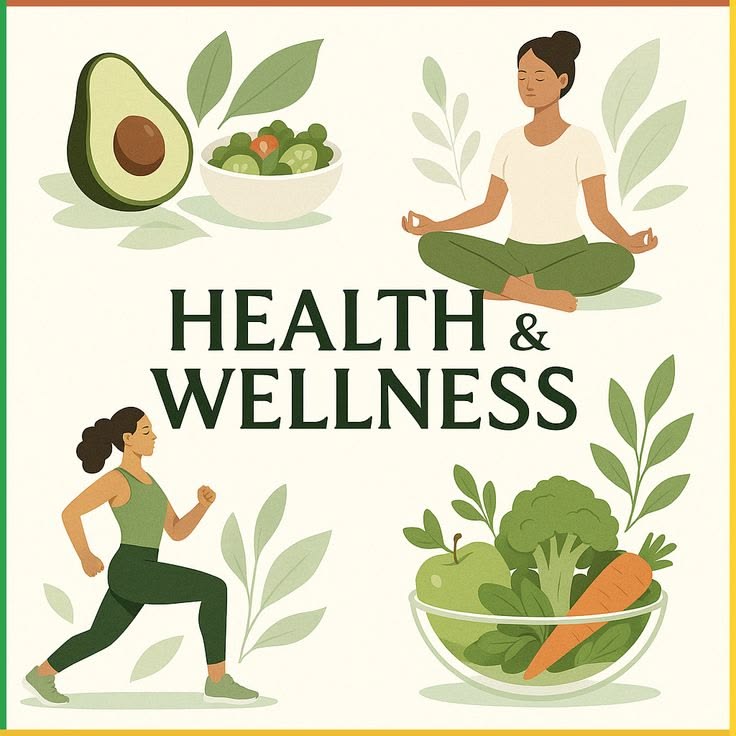
In today’s fast-paced world, managing your health can often feel like solving a complex puzzle. With thousands of fad diets, miracle weight loss pills, and conflicting fitness advice flooding the internet, finding a clear path to true wellness is challenging. Many people embark on fitness journeys with great enthusiasm, only to burn out or regain the lost weight within a few months.
Why does this happen? The answer lies in our approach. True health is not just about extreme calorie restriction or spending hours grinding on a treadmill. It is a harmonious matrix of nutrition, physical activity, mental well-being, and consistent lifestyle habits.
Welcome to WellHealtrix, your ultimate guide to decoding the science of healthy living. In this comprehensive blueprint, we are going to break down the exact scientific principles required to achieve sustainable weight loss and holistic wellness. No gimmicks, no extreme restrictions—just real, actionable science that works for your body, not against it.
Chapter 1: Understanding the Foundation of Weight Loss
Before you change what you eat, you must understand how your body processes energy. The human body operates on the fundamental laws of thermodynamics. To lose weight, you must create a healthy energy imbalance, commonly known as a caloric deficit.
1.1 The Calories In vs. Calories Out (CICO) Principle
Every function your body performs—from pumping blood to breathing and exercising—requires energy, measured in calories.
- Calories In: The energy you consume through food and drinks.
- Calories Out: The energy your body burns through your Total Daily Energy Expenditure (TDEE).
$$TDEE = BMR + TEF + NEAT + EAT$$
To break this down simply:
- Basal Metabolic Rate (BMR): The calories your body burns at rest just to keep you alive (brain function, breathing, organ regulation). This accounts for nearly $60-70\%$ of your daily calorie burn.
- Thermic Effect of Food (TEF): The energy required to digest, absorb, and process nutrients. Interestingly, protein has a much higher TEF ($20-30\%$) compared to carbohydrates ($5-10\%$) and fats ($0-3\%$).
- Non-Exercise Activity Thermogenesis (NEAT): The energy expended for everything we do that is not sleeping, eating, or sports-like exercise (walking, fidgeting, cleaning, standing).
- Exercise Activity Thermogenesis (EAT): The calories burned during deliberate exercise or sports workouts.
To achieve sustainable weight loss, your target should be a modest caloric deficit of 300 to 500 calories below your TDEE. This ensures steady weight loss ($0.5$ to $1$ kg per week) without putting your body into starvation mode or causing severe muscle loss.
1.2 Why Rapid Weight Loss Fails
Many crash diets promise a 5 kg drop in a single week. While highly tempting, this rapid loss is almost entirely water weight and precious muscle mass, not actual body fat. When you starve your body, your metabolism slows down aggressively to conserve energy. Once you return to normal eating habits, your body stores the incoming calories as fat even faster, leading to the dreaded “yo-yo dieting” effect. Permanent weight loss is a marathon, not a sprint.
Chapter 2: The Nutrition Matrix – Eating for Fuel, Not Just Fullness
Achieving your dream physique and optimal health is roughly $70-80\%$ dependent on your nutrition. However, changing your diet does not mean eating bland, tasteless food. It means understanding macronutrients and micronutrients.
                  ┌───────────────────────────────┐
                  │      YOUR NUTRITION MATRIX    │
                  └───────────────┬───────────────┘
                                  │
         ┌────────────────────────┼────────────────────────┐
         ▼                        ▼                        ▼
    PROTEINS                 CARBOHYDRATES               FATS
(Muscle & Repair)          (Energy & Vitality)    (Hormone Balance)
  Lean Meats, Eggs,          Oats, Quinoa,          Avocados, Nuts,
  Lentils, Tofu              Veggies, Fruits        Olive Oil, Seeds
2.1 The Power of Macronutrients
Macronutrients are the nutrients your body needs in large quantities: Proteins, Carbohydrates, and Fats.
A. Proteins: The Building Blocks
Protein is the single most important macronutrient for weight loss and body composition.
- Muscle Preservation: When losing weight, sufficient protein prevents your body from breaking down your muscles for energy.
- Satiety: Protein triggers the release of satiety hormones (like peptide YY and GLP-1) while reducing the hunger hormone (ghrelin), keeping you full for hours.
- Sources: Lean chicken breast, eggs, fish, Greek yogurt, paneer, lentils, chickpeas, and tofu.
B. Carbohydrates: The Energy Source
Carbs are not the enemy; the wrong type of carbs are. Carbs are your brain and muscles’ preferred fuel source.
- Simple Carbs (Avoid/Limit): Refined sugars, white bread, pastries, soda, and processed snacks. They cause rapid spikes and crashes in blood sugar, driving up cravings.
- Complex Carbs (Embrace): Whole oats, brown rice, quinoa, sweet potatoes, and green vegetables. These are packed with fiber, releasing sustained, slow-burning energy throughout the day.
C. Healthy Fats: The Hormone Regulators
Cutting out all fat from your diet is a dangerous mistake. Dietary fats are absolutely essential for brain health, vitamin absorption (A, D, E, K), and regulating crucial hormones like thyroid, testosterone, and estrogen.
- Focus on: Monounsaturated and polyunsaturated fats found in extra virgin olive oil, avocados, almonds, walnuts, chia seeds, and flaxseeds.
- Avoid: Trans fats found in fried fast foods, commercial baked goods, and hydrogenated vegetable oils.
2.2 The Role of Dietary Fiber
If there is a secret weapon in wellness, it is fiber. Soluble fiber mixes with water in your gut to form a gel-like substance that slows down digestion. This stabilizes blood sugar levels, reduces cholesterol, and feeds the beneficial bacteria in your gut microbiome. Aim for 25 to 35 grams of fiber daily by consuming a colorful array of vegetables and whole fruits.
Chapter 3: Designing an Effective Fitness Blueprint
You cannot out-exercise a bad diet, but you cannot achieve optimal health without movement either. Exercise is the structural framework that shapes your body, boosts your metabolic rate, and elevates your mood.
3.1 Resistance Training: The Fat-Burning Engine
If your goal is to look toned and feel strong, resistance (strength) training should be your priority. Many individuals, especially women, fear that lifting weights will make them “bulky.” This is a myth. Building lean muscle tissue requires immense effort and hormonal profiles that do not occur by accident.
Benefits of lifting weights 3 to 4 times a week:
- Increased Afterburn Effect: Formally known as Excess Post-Exercise Oxygen Consumption (EPOC). After a heavy strength workout, your body continues to burn calories at an elevated rate for up to 24 to 48 hours as it repairs muscle fibers.
- Permanent Metabolic Boost: One pound of muscle burns more calories at rest than one pound of fat. By building muscle, you turn your body into a more efficient fat-burning machine naturally.
You do not need an expensive gym membership to start. Bodyweight exercises (push-ups, squats, lunges, planks), resistance bands, or a basic pair of dumbbells at home are excellent starting points.
3.2 Cardiovascular Exercise: Cardiovascular Conditioning
Cardio is vital for your heart and lung health, but it should be used as a supplement to your fitness, not the entire foundation.
- LISS (Low-Intensity Steady State): Activities like brisk walking, cycling, or swimming for 30–45 minutes. LISS is fantastic for beginners, recovery days, and low-impact fat burning.
- HIIT (High-Intensity Interval Training): Short, intense bursts of exercise followed by brief rest periods (e.g., 30 seconds of sprinting, 30 seconds of walking, repeated for 15 minutes). HIIT is highly efficient for busy individuals but should not be done more than twice a week to avoid overtraining.
3.3 The Magic of 10,000 Steps (NEAT)
Never underestimate the power of casual movement. Spending 1 hour at the gym cannot compensate for sitting at a desk for the remaining 23 hours of the day. Increasing your daily step count by taking the stairs, walking during phone calls, or pacing around the house significantly expands your daily NEAT, making weight loss feel much more effortless.
Chapter 4: The Pillars of Holistic Wellness – Sleep, Stress, and Hormones
You can have a flawless diet and a rigorous workout plan, but if you sleep 4 hours a night and live under chronic stress, your weight loss efforts will stall. Holistic wellness requires looking at the invisible forces inside your body.
 ┌───────────────────────────────────────────────────────────┐
 │               THE TOTAL WELLNESS TRIANGLE                 │
 └─────────────────────────────┬─────────────────────────────┘
                               │
                ┌──────────────┴──────────────┐
                ▼                             ▼
          QUALITY SLEEP               STRESS MANAGEMENT
       (7-8 Hours Nightly)          (Cortisol Control)
       • Cellular Repair            • Yoga & Meditation
       • Hormone Regulation         • Deep Breathing
       • Metabolic Balance          • Nature Walks
4.1 Sleep: The Ultimate Biological Restorer
When you sleep, your body is not completely shut off; it is actively working to repair tissue, process information, and regulate hormones. Chronic sleep deprivation (less than 7 hours per night) wreaks havoc on your metabolism:
- The Hunger Switch: Lack of sleep decreases levels of leptin (the hormone that tells your brain you are full) and increases levels of ghrelin (the hormone that triggers hunger). This leads to intense cravings for sugary, high-carbohydrate comfort foods the next day.
- Insulin Resistance: Just one night of poor sleep can make your cells temporarily resistant to insulin, making your body more likely to store sugar as fat rather than utilizing it for energy.
Tips for Better Sleep Hygiene:
- Keep your bedroom cool, dark, and completely quiet.
- Disconnect from all electronic screens (phones, tablets, TVs) at least 60 minutes before bed. The blue light emitted by these devices suppresses melatonin production, disrupting your sleep cycle.
- Maintain a consistent sleep schedule by waking up and going to bed at the same time every day, even on weekends.
4.2 Cortisol and Chronic Stress
When you experience chronic stress—whether from work, financial pressure, or toxic relationships—your adrenal glands release a hormone called cortisol. While cortisol is necessary for acute “fight or flight” situations, chronically elevated cortisol levels lead to disastrous health outcomes:
- Visceral Fat Storage: Cortisol encourages the body to store deep abdominal fat around your vital organs, which is highly linked to metabolic diseases.
- Muscle Degradation: High cortisol levels are catabolic, meaning they can cause your body to break down hard-earned muscle tissue.
- Emotional Overeating: Stress compromises your executive brain function, making you highly susceptible to emotional or stress-driven binge eating.
To counteract stress, integrate daily mindfulness practices into your life. Spend 10 minutes performing deep breathing exercises, practicing meditation, journaling, or taking walks out in nature. Your mind needs a break just as much as your body does.
Chapter 5: Overcoming Common Weight Loss Plateaus
You have been consistently tracking your food, drinking plenty of water, and working out regularly. Suddenly, after a few weeks of great progress, the numbers on your scale stop moving completely. This is known as a weight loss plateau, and it is a completely natural part of the human biological journey.
5.1 Why Plateaus Occur
As you lose body weight, your body becomes smaller. A smaller body requires fewer calories to function than a larger body did. Consequently, your baseline BMR decreases slightly. Furthermore, your body naturally tries to defend its fat stores out of evolutionary survival instincts, causing your NEAT to subconsciously drop (you may start moving or fidgeting less without realizing it).
5.2 Scientific Strategies to Break a Plateau
Before panicking or dropping your calories to dangerously low levels, use these structured approaches:
- Re-evaluate Your Caloric Intake: Recalculate your TDEE based on your new, lighter body weight. The calorie target that worked for you 5 kg ago might now be your maintenance calorie level.
- Track with Precision: It is incredibly easy for extra calories to sneak into our meals via cooking oils, sauces, dressings, or small handfuls of snacks throughout the day. Use a digital kitchen scale to accurately weigh your food for a few days to ensure you are truly in a deficit.
- Incorporate a “Refeed Day” or Diet Break: If you have been dieting strictly for more than 8 to 12 weeks, your thyroid hormones and leptin levels may have dropped. Increasing your carbohydrate intake back up to your maintenance calorie level for 1 to 2 days can help kickstart your metabolism, replenish muscle glycogen stores, and provide a much-needed mental break.
- Prioritize Progressive Overload: If your workouts feel easy, your body has fully adapted to them. Increase the weight you lift, add an extra repetition, or step up the intensity of your cardiovascular sessions to continuously challenge your muscular skeletal system.
Chapter 6: Practical Guide to Creating a Sustainable Daily Routine
Knowledge is completely useless without practical execution. To make your lifestyle transformation permanently sustainable, let’s map out what a typical healthy day looks like under the WellHealtrix Blueprint.
| Time of Day | Action Item | Health Benefit |
| 07:00 AM | Wake up & drink 500ml of room-temperature water. | Rehydrates your vital organs after hours of fasting and naturally clears out toxins. |
| 08:30 AM | Eat a high-protein breakfast (e.g., eggs with spinach and oatmeal). | Maximizes satiety, stabilizes early morning blood sugar, and prevents mid-day cravings. |
| 01:30 PM | Balanced lunch: Grilled chicken/fish or lentils with a large side salad and brown rice. | Provides complex carbohydrates for sustained afternoon brain energy and focus. |
| 05:30 PM | 45 minutes of Resistance Training or a Brisk Outdoor Walk. | Stimulates muscle protein synthesis, strengthens cardiovascular health, and relieves stress. |
| 08:00 PM | Light and early dinner: Baked protein with roasted vegetables. | Allows your digestive system to rest and wind down before bedtime. |
| 09:30 PM | Digital Detox: Turn off all screens, dim lights, and read a book or journal. | Prepares your brain for deep, restorative slow-wave sleep. |
Chapter 7: The Psychological Shift – From Quick Fix to Identity Change
The ultimate reason most health journeys fail is not due to a lack of knowledge, but a lack of psychological alignment. If you view your health routine as a short-term punishment you must endure until you reach a specific target number on a scale, you will eventually slip back into old habits.
7.1 Focus on Habits, Not Just Goals
Goals are great for setting a clear direction, but habits are the day-to-day systems that actually get you there. Instead of focusing solely on “I want to lose 15 kg,” redirect your attention to mastery over daily micro-habits:
- “I am going to drink 3 liters of pure water today.”
- “I am going to hit my daily vegetable quota.”
- “I will walk for 10 minutes after my lunch.”
When you consistently repeat these healthy micro-actions, a profound shift happens in your mind. You stop being someone who is “trying to lose weight” and instead transform into a naturally healthy person.
7.2 The 80/20 Rule: Building Long-Term Flexibility
Perfection is the ultimate enemy of consistency. Believing that your diet is completely ruined because you ate a single slice of birthday cake or had a pizza night with friends is a toxic mindset. This often triggers the “all-or-nothing” spiral, causing people to give up entirely.
Embrace the 80/20 rule:
- 80% of the time: Base your diet around nutrient-dense, whole, unrefined foods that fuel your body efficiently.
- 20% of the time: Leave space for your favorite treats, social gatherings, and comfort foods without a single ounce of guilt.
This flexibility is what makes a health plan genuinely sustainable for years, decades, and the rest of your life.
Conclusion: Your Journey Starts Today
True transformation is an evolutionary process. It requires patience, consistency, self-compassion, and a commitment to learning how your unique body works. By applying the principles in this WellHealtrix Blueprint—maintaining a safe caloric deficit, prioritizing protein and fiber, lifting weights, sleeping deeply, and managing your daily stress—you are not just dropping body fat. You are entirely upgrading your human operating system.
Listen to your body, celebrate your non-scale victories (like having more daytime energy, sleeping better, and feeling stronger), and remember that every positive choice you make is an investment in your future self.
Key Takeaway Checklist for WellHealtrix Readers:
- Calculate your TDEE and aim for a gentle, sustainable 300-500 calorie deficit.
- Prioritize high-quality protein and fiber at every meal to keep hunger locked away.
- Incorporate strength training 3-4 times a week to protect and build metabolic muscle tissue.
- Protect your sleep schedule fiercely; aim for 7-8 hours of uninterrupted rest every single night.
- Practice the 80/20 rule to maintain a joyful, stress-free relationship with your food.