

By WellHealtrix Research Team
Published: May 20, 2026
For the past five decades, the conversation around heart health has been dominated by a single, monolithic narrative: “Cholesterol is bad, it clogs your arteries, and eating fat causes heart attacks.” Millions of people have cut out healthy fats from their diets, switched to highly processed fat-free alternatives, and taken medications, yet cardiovascular disease remains the number one cause of death worldwide.
Why is this happening? The answer is that our understanding of cardiovascular health has been vastly oversimplified. Your heart does not operate in a vacuum. It is the center of a complex, dynamic highway system spanning over 60,000 miles of blood vessels inside your body.
Cardiovascular disease is not simply a plumbing problem caused by too much grease in the pipes. It is a complex metabolic, inflammatory, and immunological process. If we want to truly protect our hearts and live long, vibrant lives, we have to look past the surface-level definitions of cholesterol and understand what is actually happening inside our arterial walls.
Welcome to WellHealtrix, your trusted partner in preventative medicine. In this ultimate blueprint, we are going to dive deep into the real science of heart disease, decode the truth about cholesterol particles, explore the critical role of the endothelium, and provide you with an actionable, lifestyle framework to optimize your cardiovascular system for longevity.
Chapter 1: The Endothelium – The Gatekeeper of Your Arteries
To understand how heart disease begins, we must start at the very inner lining of your blood vessels: a single, microscopic layer of cells known as the Endothelium.
┌────────────────────────────────────────────────────────┐
│           THE ARTERIAL WALL & THE ENDOTHELIUM          │
└───────────────────────────┬────────────────────────────┘
                            │
              ┌─────────────┴─────────────┐
              ▼                           ▼
     HEALTHY ENDOTHELIUM         DAMAGED ENDOTHELIUM
   (Smooth, Flexible Shell)     (Torn, Inflamed Lining)
   • High Nitric Oxide.         • Smoking, Sugar & Cortisol.
   • Repels LDL cholesterol.    • LDL gets trapped underneath.
   • Perfect blood flow.        • Plaque building begins.
The endothelium is not just a passive structural pipe; it is a highly active endocrine organ. When it is healthy, it is perfectly smooth, elastic, and slick, allowing blood cells to glide through smoothly. Its primary defensive weapon is a molecule called Nitric Oxide ($NO$). Nitric oxide signals the muscles around your arteries to relax, regulating healthy blood pressure and preventing blood cells from sticking to the walls.
Heart disease does not start because cholesterol is floating in your blood. It starts when the endothelium becomes physically or chemically damaged. When the endothelium is injured, it stops producing nitric oxide, becomes sticky, and develops microscopic tears. This injury opens the doorway for cardiovascular disease to take hold.
Chapter 2: Redefining Cholesterol – The Truth About LDL and HDL
To truly understand heart health, we must dispel the myth of “good” and “bad” cholesterol. First and foremost, cholesterol is not fat, and it is not a poison. It is a vital sterol molecule that your body manufactures every single day. It forms the structural membrane of every cell, builds your brain tissue, stabilizes nerve connections, and acts as the essential raw ingredient needed to synthesize vitamin D and crucial hormones like cortisol, testosterone, and estrogen.
Because cholesterol is a waxy lipid, it cannot dissolve in your watery blood. To travel around the body, it must be carried inside specialized spherical protein boats called Lipoproteins.
2.1 The Lipoprotein Family
- LDL (Low-Density Lipoprotein): Often labeled as “bad cholesterol.” In reality, LDL is a delivery boat. Its job is to carry vital cholesterol, triglycerides, and fat-soluble vitamins away from your liver and deliver them to your brain, muscles, and organs that need repair.
- HDL (High-Density Lipoprotein): Labeled as “good cholesterol.” HDL is the cleanup boat. It performs a process called Reverse Cholesterol Transport, gathering excess, unused cholesterol from your tissues and bringing it back to the liver to be recycled or excreted safely.
2.2 Particle Size Matters: Pattern A vs. Pattern B
Standard blood tests measure the total mass of cholesterol inside your LDL boats, but they completely ignore the nature of the boats themselves. Modern lipidology shows that the size and density of your LDL particles are far more dangerous metrics than the total amount:
- Large, Buoyant LDL (Pattern A): These are big, fluffy, cloud-like particles. They float smoothly through your bloodstream, are too large to slip through the endothelial lining, and carry no significant risk of heart disease.
- Small, Dense LDL (Pattern B): These are tiny, heavy, bullet-like particles. They are highly volatile. Because of their small size, they easily slip through damaged gaps in the endothelium, get trapped inside the arterial wall, and initiate plaque formation.
Therefore, having a high LDL score is not dangerous if your particles are large and fluffy. But having a low LDL score can be deadly if those particles are small, dense, and oxidized.
Chapter 3: How an Atherosclerotic Plaque is Formed
Let’s trace the exact, step-by-step scientific process of how an artery actually becomes blocked. This condition is known as Atherosclerosis.
Step 1: Endothelial Injury
The process begins with chronic irritation to the endothelial lining. The primary drivers of this damage are:
- Chronically elevated blood pressure (creates physical friction against the walls).
- High blood sugar and insulin (causes chemical burns to the tissue).
- Toxins from cigarette smoke or environmental pollution.
- Systemic inflammation driven by a poor diet or chronic stress.
Step 2: Infiltration and Entrapment
Once the endothelium is compromised, circulating Small, Dense LDL particles slip underneath the lining into a hidden space called the sub-endothelial space.
Step 3: Oxidation (The Turning Point)
While trapped inside the arterial wall, the LDL particle interacts with free radicals and becomes Oxidated (ApoB oxidation). Regular LDL is completely harmless, but oxidized LDL is highly toxic. It acts like biological garbage inside your blood vessel wall.
Step 4: The Immune Response (Foam Cells)
Your immune system detects the toxic oxidized LDL and sends specialized white blood cells called Macrophages to clean up the mess. The macrophages begin swallowing the damaged LDL particles. However, they often overeat and become completely engorged with waxy cholesterol fat, transforming into bloated, dysfunctional cells known as Foam Cells.
Step 5: Plaque Accumulation and Calcification
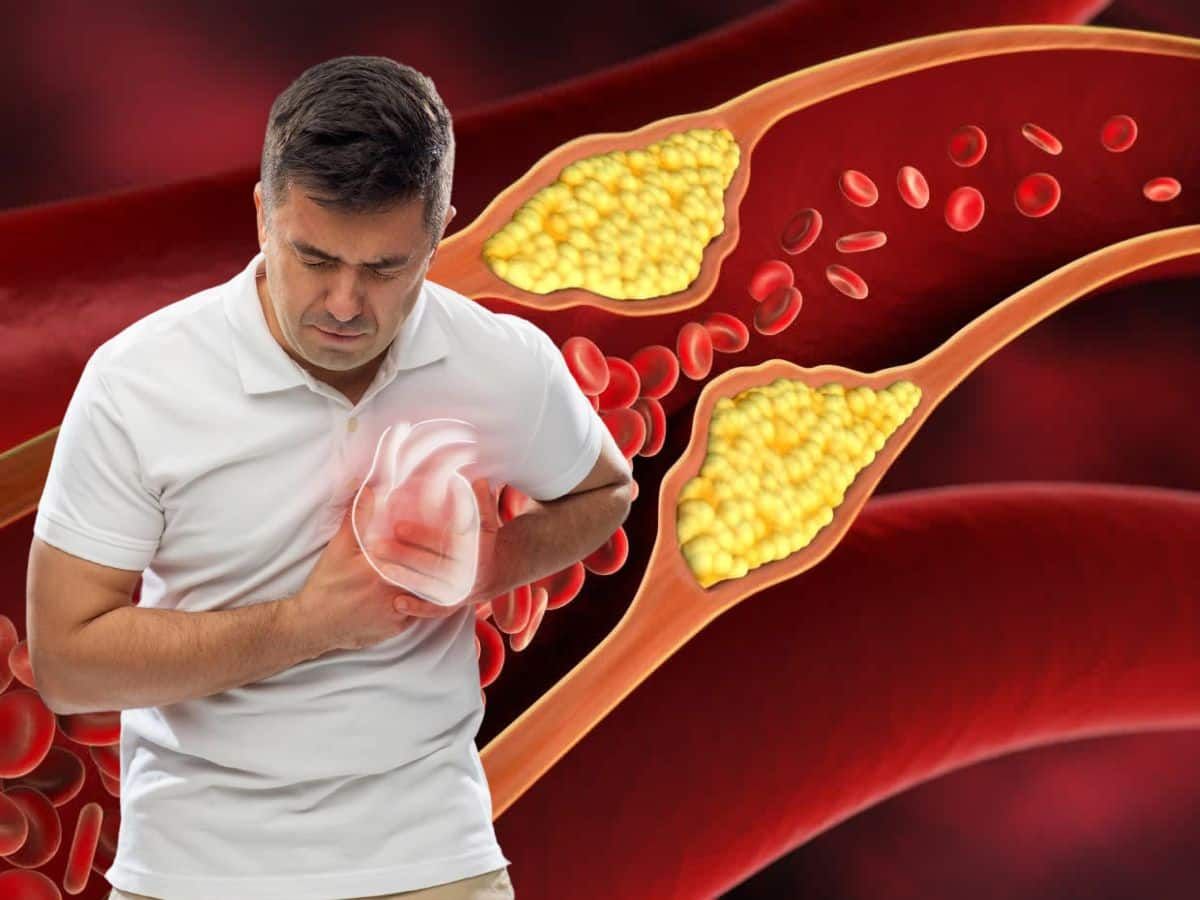
As millions of foam cells die, they form a fatty, necrotic core inside your arterial wall. To protect the bloodstream from this toxic soup, your body builds a smooth muscle fibrous cap over the mess. Over time, your body deposits calcium into this cap to harden it, creating a brittle Atherosclerotic Plaque.
  [Endothelial Injury] ──> [LDL Slips Inside] ──> [LDL Oxidizes]
                                                        │
  [Heart Attack] <── [Plaque Ruptures] <── [Foam Cells Formed] ◄┘
A heart attack rarely happens because the plaque grows so large that it slowly closes the pipe. Instead, it happens because the fibrous cap becomes inflamed, brittle, and suddenly ruptures. When it cracks, the toxic core leaks into the blood, triggering an instant blood clot that blocks the artery entirely within seconds.
Chapter 4: The Real Drivers of Cardiovascular Disease
Now that we understand the mechanism, we can clearly see that heart disease is driven by things that injure the endothelium and oxidize LDL. The real culprits are:
4.1 Insulin Resistance and Hyperinsulinemia
As detailed in our previous guide on metabolic health, chronic insulin resistance forces your body to live in a high-sugar, high-insulin environment. Insulin resistance causes your liver to manufacture high levels of small, dense LDL particles (Pattern B) while systematically lowering your protective HDL levels and driving up harmful Triglycerides.
4.2 Chronic Inflammation (The Fuel to the Fire)
Without inflammation, cholesterol cannot oxidize, and macrophages will never form foam cells. Inflammation is measured in clinical blood work by a marker called High-Sensitivity C-Reactive Protein (hs-CRP). If your hs-CRP is high, your arteries are essentially on fire, making any circulating cholesterol exponentially more dangerous.
4.3 Advanced Glycation End-products ($AGEs$)
When excess glucose floats in your blood for too long, it chemically bonds to proteins and fats in a process called Glycation. This creates highly destructive compounds called $AGEs$, which literally cross-link with the collagen in your arterial walls, making your blood vessels stiff, brittle, and highly prone to high blood pressure.
Chapter 5: The WellHealtrix Cardiovascular Protection Protocol
Reversing arterial inflammation, boosting nitric oxide production, and shifting your lipid profile from small and dense to large and fluffy is completely achievable through targeted, science-based daily habits.
 ┌───────────────────────────────────────────────────────────┐
 │             CARDIOVASCULAR PROTECTION PROTOCOL            │
 └─────────────────────────────┬─────────────────────────────┘
                               │
       ┌───────────────┬───────┴───────┬───────────────┐
       ▼               ▼               ▼               ▼
 NITRIC OXIDE     ANTI-OXIDANT      ZONE 2          OMEGA-3
  BOOSTERS         NUTRITION       EXERCISE       OPTIMIZATION
(Beetroot, Greens) (Polyphenols)  (Vessel Elastic) (Flax, Fish Oil)
1. Supercharge Your Nitric Oxide Production
To keep your endothelium flexible and non-sticky, you must provide your body with the nutritional precursors needed to manufacture Nitric Oxide.
- Dietary Nitrates: Consume foods rich in natural nitrates, such as beetroot, arugula, spinach, celery, and garlic. Your oral bacteria and gut enzymes convert these nitrates directly into nitric oxide, dropping systemic blood pressure within hours.
- Avoid Antiseptic Mouthwashes: Using harsh, alcohol-based antibacterial mouthwashes kills the beneficial bacteria on your tongue responsible for initiating the nitric oxide pathway, directly leading to an increase in blood pressure.
2. Pivot to an Anti-Oxidant, Whole-Food Nutrition Matrix
To prevent your LDL particles from oxidizing inside your arterial walls, flood your system with protective fat-soluble antioxidants:
- Extra Virgin Olive Oil: Packed with monounsaturated oleic acid and powerful polyphenols like oleocanthal, which protect LDL particles from oxidative stress and improve endothelial elasticity.
- Lycope-Rich Foods: Cooked tomatoes, watermelon, and pink grapefruit contain lycopene, a potent carotenoid antioxidant highly proven to prevent the oxidation of circulating lipids.
- Eliminate Industrial Seed Oils: Drastically reduce intake of highly refined vegetable oils (canola, soybean, corn, and sunflower oils). These oils are highly unstable, pre-oxidized during factory processing, and contain high ratios of inflammatory Omega-6 fatty acids that embed themselves straight into your cell membranes.
3. Optimize with High-Quality Omega-3 Fatty Acids
Omega-3 fatty acids, specifically EPA and DHA, are absolute powerhouses for cardiovascular longevity:
- They drastically lower blood triglyceride levels by inhibiting fat synthesis in the liver.
- They improve heart rate variability (HRV) and stabilize the electrical rhythm of your heart, preventing sudden cardiac arrhythmias.
- Best Sources: Wild-caught salmon, mackerel, sardines, chia seeds, walnuts, and high-dose clean fish oil or krill oil supplements.
4. Engage in Zone 2 Cardio for Vascular Elasticity
While resistance training is fantastic for blood sugar disposal, steady-state cardiovascular exercise is the ultimate medicine for your blood vessels.
- What is Zone 2? This is low-intensity cardio where you can comfortably maintain a conversation without gasping for breath (e.g., brisk walking up a hill, slow cycling, or swimming).
- The Vascular Benefit: Spending 150 minutes per week in Zone 2 forces your heart to pump a large volume of blood against low resistance. This stretches your arterial walls gently, stimulating the continuous release of endothelial nitric oxide and rebuilding the natural elasticity of your cardiovascular highway.
Chapter 6: Advanced Markers for Accurate Heart Risk Assessment
If you want to know your true heart health risk, ask your doctor for these advanced biomarkers instead of just relying on a standard, outdated lipid panel:
- Apolipoprotein B (ApoB): Every single plaque-causing lipoprotein boat (including LDL, VLDL, and IDL) carries exactly one ApoB protein tag. Measuring your ApoB score tells you the exact number of particles floating in your blood. The fewer particles you have, the lower your risk of atherosclerosis, regardless of your total cholesterol weight.
- hs-CRP (High-Sensitivity C-Reactive Protein): Measures systemic inflammation. A score under $1.0\text{ mg/L}$ indicates low vascular inflammation, meaning your risk of forming unstable, rupturing plaque is exceptionally low.
- Fasting Insulin: Tells you if you have underlying insulin resistance years before your blood sugar turns diabetic. Keeping fasting insulin under $6\ \mu\text{IU/mL}$ is an incredible shield for your endothelium.
- CAC (Coronary Artery Calcium) Scan: A quick, non-invasive low-dose CT scan of the heart that looks for actual calcified plaque inside your coronary arteries. A score of Zero is the ultimate reassurance for cardiovascular longevity.
Chapter 7: Your Daily Routine for Ultimate Heart Protection
To simplify cardiovascular care, adopt this structured layout into your daily life:
| Time of Day | Heart Protection Protocol | Biological Benefit |
| Morning (08:30 AM) | Drink a glass of pure beetroot juice or an organic green smoothie containing arugula and ginger. | Instantly floods your bloodstream with dietary nitrates, expanding blood vessels and lowering early morning blood pressure. |
| Lunch (01:30 PM) | A massive colorful salad drizzled generously with extra virgin olive oil, topped with walnuts and a clean protein source. | Delivers vital fat-soluble antioxidants to your blood, preventing circulating LDL from interacting with free radicals. |
| Afternoon (05:00 PM) | Perform 30–40 minutes of Zone 2 steady cardio (brisk walking, swimming, or easy cycling). | Stimulates shear stress across the endothelium, triggering permanent, natural nitric oxide production. |
| Dinner (08:00 PM) | Baked wild salmon or a lentil stew rich in fiber and magnesium, followed by a square of dark chocolate ($85\%+$). | Supplies essential Omega-3 fats to lower triglycerides and delivers magnesium to relax your arterial smooth muscles overnight. |
Conclusion: Take Heart, Heal Your System
Your heart beats roughly 100,000 times a day, pumping 2,000 gallons of blood to keep you alive without a single moment of rest. It is a incredibly resilient, beautifully designed organ that wants to stay healthy.
Cardiovascular protection is not about fearing fat or obsessing over a single number on a blood test. It is about protecting the delicate endothelial lining, stopping the wildfire of systemic inflammation, preventing cellular oxidation, and maintaining sound metabolic health.
By feeding your body with nitrate-rich vegetables, embracing stable monounsaturated and omega-3 fats, engaging in consistent lifestyle movement, and keeping your insulin levels low, you are completely shifting your vascular environment. You are building an unbreakable highway system that will fuel your brain, muscles, and organs with life-giving oxygen for decades to come.
Listen to your body, nurture your blood vessels, and let WellHealtrix continue to empower you on your path to lifelong vitality and heart-centered health.
Your Heart Health Action Checklist:
- Include dark leafy greens, beetroot, and garlic in your diet to naturally elevate nitric oxide.
- Replace industrial vegetable seed oils with extra virgin olive oil and avocado oil to prevent lipid oxidation.
- Aim for at least 150 minutes of conversational, low-intensity Zone 2 cardiovascular exercise every week.
- Request an ApoB and hs-CRP blood test during your next medical checkup for an accurate cardiovascular risk profile.